The Mystery of the Shrinking Pay Packet, November 2026 Inflation & Affordability Update
Have you ever wondered why, even if you get a little pay rise at work, you still feel like you’re searching for extra pennies down the back of the sofa by the end of the month? It feels like running up a down-escalator, doesn’t it?
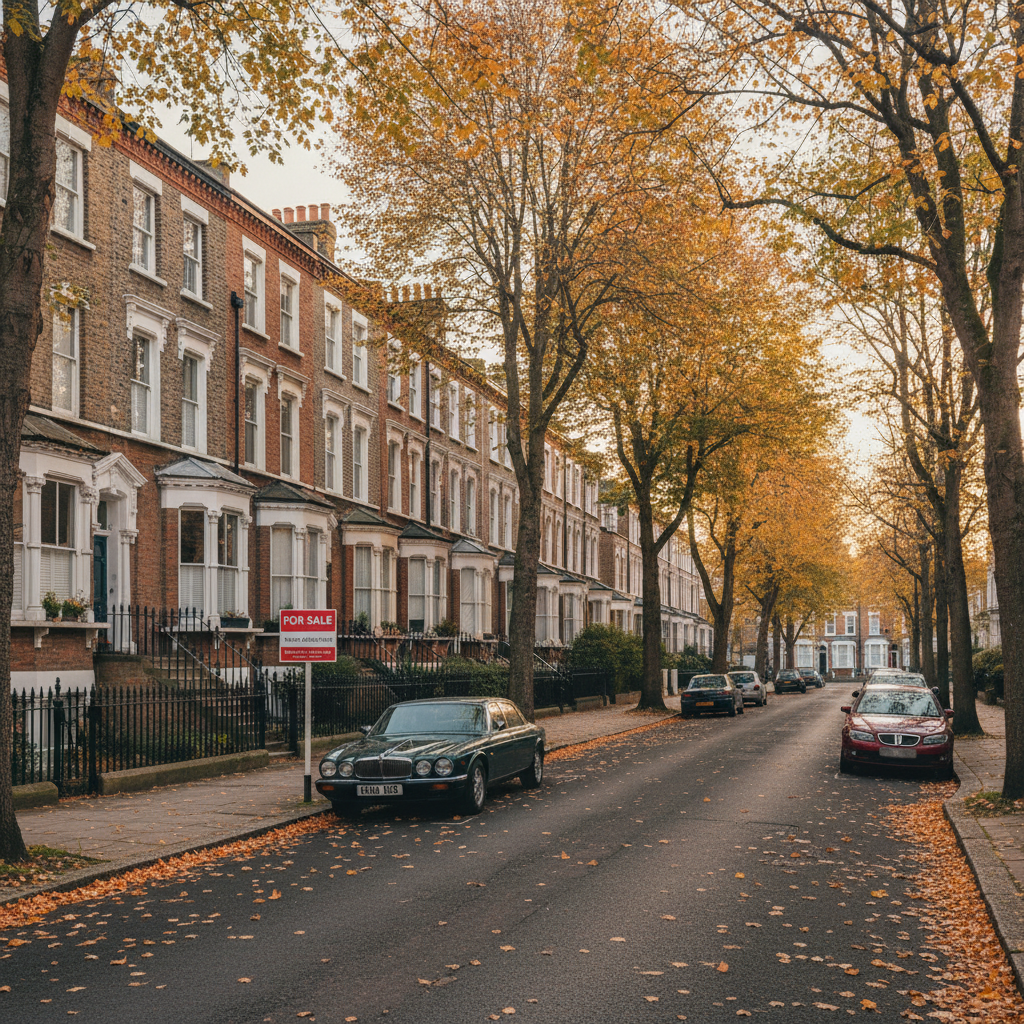
Right here in null, I’m seeing this play out on our doorsteps every day. We currently have 108 homes for sale in the area, and while the "For Sale" signs are still popping up, the conversations I’m having over tea are changing. People are looking at the price tags of local homes—which average around £531,923—and then looking at their bank balance, wondering why the gap feels wider than it did last year.
The reason is a sneaky thing called inflation. Think of inflation as a "price tag gremlin." Overnight, he sneaks into the supermarket and adds 5p to the milk, a few pounds to your petrol, and a bit more to your heating bill. Right now, that gremlin is working at a speed of 3.6%.
To put that in perspective, if your weekly shop cost £100 last year, that exact same trolley of food now costs £103.60. It doesn’t sound like much until you realise that almost everything you buy has been touched by that gremlin.
The Tug-of-War with Your Wages
Here is where it gets tricky for our move-up plans. While the price of things we buy went up by 3.6%, the money we earn only went up by 3.1%.
Imagine a race between two runners: "Prices" and "Paychecks." Right now, "Prices" is winning by about half a centimetre every step. In the world of money, we call this a "negative gap" of -0.5%. It means that even though you might have more pounds in your hand than last year, those pounds can’t actually buy as much stuff. Your money has lost some of its "muscle."
What This Means for Your Next Move
When you want to buy a home or change your mortgage, the bank looks at how much "spare" money you have left after your bills. Because the cost of living is growing faster than our wages, that "spare" pile is getting smaller.
If you’re thinking about moving, you might notice that the number of people getting their mortgages approved across the country has dipped slightly—from 58,200 back in September to 53,400 this month. People are being a bit more cautious, taking a breath to see how their budgets settle.
Bringing it Home to null
How does this national "gremlin" affect us here in null? Well, even though national house prices are only moving up very slowly (just 0.5% over the last year), our local market remains a "balanced" place to be. We are seeing about 12 sales happen every month in the area.
However, because the cost of living is "squeezing" our wallets, buyers in null are becoming much more careful. They are looking for homes that don't need heaps of expensive work, and landlords are having to balance their own rising costs against what their tenants can realistically afford to pay.
Over the last seven years, homes in null have grown in value by about £28,544. That is a lovely "nest egg" for many families! But to make that value work for you in today's market, you just need to be a bit more strategic with your budget.
The Silver Lining
It isn't all gloom! The "Bank Rate"—which is the main number that helps decide how much interest you pay on loans—has stayed steady at 3.75% for several months now. This stability is like a calm sea after a storm; it allows us to plan ahead without worrying about sudden shocks.
If you’re feeling the squeeze, my best advice is to focus on what you can control. The market is still moving, homes are still selling, and people are still finding their dream spots in null. We just have to be a little bit cleverer with our pennies than we were before.